
Looking for a plastic surgeon near Armonk, NY? Start by checking the surgeon’s training, experience with the procedure you want, and plan for anesthesia and follow-up care. Ask whether the office is actually in Armonk: NovoSculpt has one physical location in Cos Cob/Greenwich, Connecticut. It serves patients from nearby Westchester County, Greenwich, and Fairfield County, but has no office in Armonk or other surrounding towns.
For body contouring, compare what each option can change. Awake fat removal is still an invasive procedure, even when it does not require general anesthesia. NovoSculpt’s physicians are specialty-trained plastic surgeons who graduated from U.S. universities. Recovery expectations vary by procedure, treatment extent, clinical findings, and the treating surgeon’s recommendations; detailed general guidance appears in the recovery section below.
Under the clinical leadership of Rafael G. Magana, MD, a plastic and reconstructive surgeon in private practice since 2011 and NovoSculpt’s medical director, this guide helps patients comparing a plastic surgeon near Armonk, NY evaluate nearby body-contouring options, understand procedural differences, and ask targeted questions during a clinical consultation.
Selecting a Qualified Plastic Surgeon Near Armonk, NY
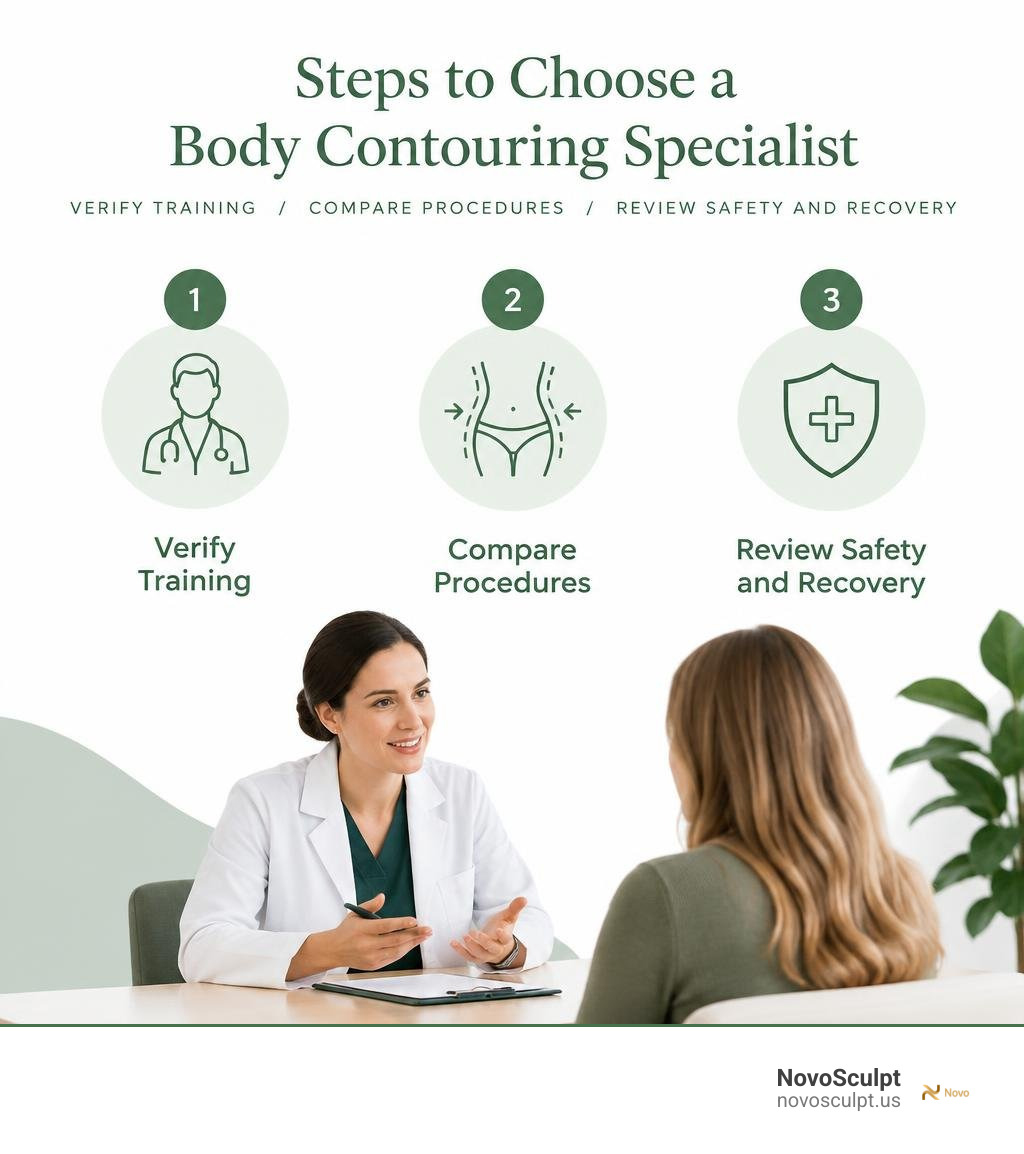
When seeking aesthetic changes, evaluating surgical qualifications is the essential first step. You should understand the meaningful distinction between comprehensive plastic surgery residency training and general cosmetic surgery training. Formal plastic and reconstructive surgery residencies encompass dedicated multi-year education in complex human anatomy, tissue vascularity, craniofacial and body reconstruction, and wound healing. In contrast, practitioners from other medical disciplines (such as general surgery, internal medicine, or family practice) may market cosmetic procedures after completing non-ABPS cosmetic fellowships, aesthetic preceptorships, or procedural seminars rather than an accredited plastic surgery residency.
Patients can verify certification through the American Board of Plastic Surgery credential-verification portal (ABPS) via their official verification portal. The American Board of Plastic Surgery Credential Standards provide patient-facing information about the organization and its standards. Patients may also consult the American Board of Medical Specialties (ABMS). ABPS certification confirms that a physician has completed an approved surgical residency specifically in plastic surgery, passed comprehensive written and oral examinations, and committed to strict ethical codes. Consulting with fully accredited plastic surgeons allows patients to review dedicated residency credentials, procedural experience in complex anatomy, and documented training in tissue handling and emergency management.
Beyond verifying surgeon credentials, patients must understand the vital distinction between provider qualifications and surgical facility accreditation:
- Surgeon Credentials: Evaluates the individual physician’s formal residency education, board examinations, procedural competence, and ongoing peer review.
- Facility Accreditation: Evaluates the physical operating environment—including sterility standards, life-support technology, emergency transfer agreements, and regulatory safety compliance (such as AAAASF, JCAHO, or QUAD A accreditation).
- Anesthesia Planning & Consent: Establishes tailored protocols for local tumescent anesthesia, IV sedation, or general anesthesia, supported by detailed informed consent covering both realistic outcomes and procedural risks.
While verifying ABPS certification and accredited surgical facilities are important components of patient safety, no credential or accreditation can guarantee a specific aesthetic outcome or completely eliminate surgical risks.
Body Contouring Options: Comparing Surgical, Awake, and Non-Invasive Approaches
Modern body sculpting encompasses fat extraction, non-invasive cell reduction, structural grafting, and skin tightening. Selecting the ideal pathway requires understanding how different modalities address stubborn fat pockets, skin recoil, and volume deficits.
| Procedure Modality | Primary Purpose | General Approach | Anesthesia Considerations | Recovery Considerations | Important Limitations |
|---|---|---|---|---|---|
| Conventional Liposuction | Removal of selected subcutaneous fat deposits | Cannulas physically remove subcutaneous fat through small incisions | Local anesthesia, IV sedation, or general anesthesia may be considered based on the procedure and patient | Swelling, compression use, and activity restrictions vary with treatment extent and anesthetic plan | Does not correct significant skin redundancy; involves surgical risks and individualized recovery |
| Awake Direct Fat Removal | Targeted removal of localized subcutaneous fat | Micro-cannulas physically remove selected subcutaneous fat through small incisions | Local tumescent anesthesia while appropriately selected patients remain awake | Bruising, swelling, compression, and return-to-activity timing vary by treatment plan | Not intended for significant weight loss or visceral intra-abdominal fat; not appropriate for every patient |
| Non-Invasive Fat Reduction | Modest reduction of focal fat deposits | External energy or cooling is applied without cannula-based fat removal | No surgical anesthesia is typically required | Limited downtime may occur, including temporary redness or numbness | Results can be subtle, may require multiple sessions, and do not provide surgical sculpting |
| Subdermal Skin Tightening (NovoTight) | Treatment of selected areas of localized skin laxity | Plasma-based energy is delivered beneath the skin through micro-ports | Local anesthesia, often considered with fat removal | Tenderness and progressive tissue change may occur over time | Does not replace excisional surgery when substantial excess skin is present |
| Fat Transfer / Augmentation (NovoGain) | Restoration of volume in selected areas using harvested fat | Fat is harvested, processed, and placed in planned tissue planes | Local tumescent anesthesia may be used when clinically appropriate | Donor- and recipient-site soreness can occur; graft retention varies | Requires adequate donor fat and carries procedure-specific risks |
| Excisional Body-Contouring Surgery | Removal of redundant skin when appropriate | Excess tissue is surgically excised and incisions are closed | Local anesthesia or general anesthesia may be considered based on the scope | Incision healing, activity restrictions, and scar maturation are expected considerations | More extensive operations, such as abdominoplasty, address different degrees of skin redundancy; NovoTuck is a more limited skin-excision approach and is not equivalent to a full tummy tuck for every patient |
Choosing the Right Body-Contouring Procedure
A personalized evaluation helps determine whether you are a suitable candidate for minimally invasive fat extraction, structural fat grafting, or skin tightening. During this evaluation, we assess your localized adiposity, body mass index (BMI), anatomical proportions, and skin recoil capacity. Those interested in refining their silhouette can explore how to experience the best body sculpting and contouring near me through a customized clinical assessment.
Every procedure carries distinct limitations. Awake fat removal directly debulks persistent subcutaneous deposits, but it is neither a tool for generalized weight loss nor an effective treatment for intra-abdominal visceral fat.
Evaluating Skin Laxity Before Body Contouring
Evaluating skin elasticity is vital when designing your body contouring plan. When subcutaneous fat is removed, the overlying dermal envelope must retract smoothly over the newly contoured muscular landmarks. You can review the American Society of Plastic Surgeons Overview of Body Contouring to better understand how tissue quality impacts surgical planning.
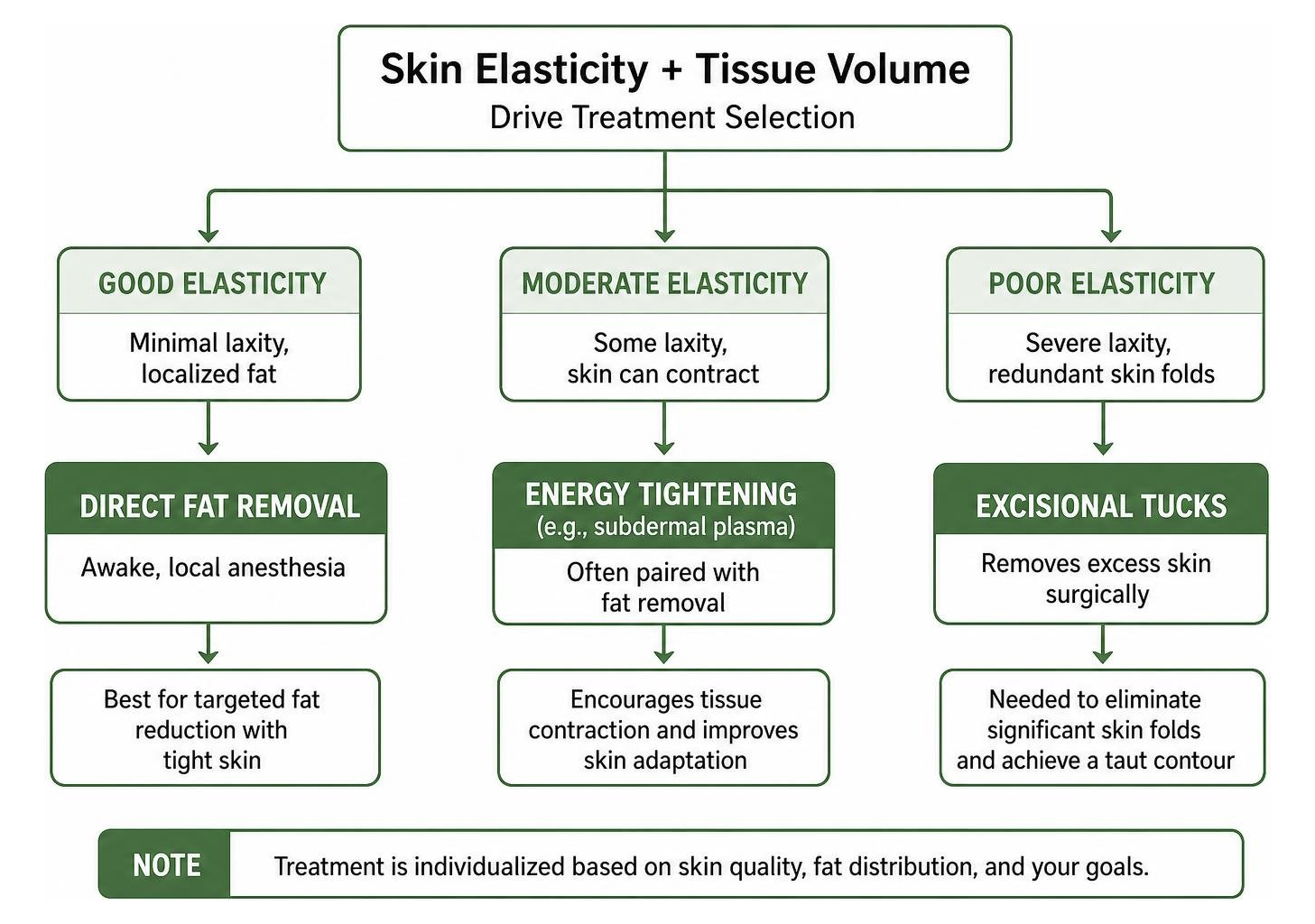
When moderate laxity exists, combining direct fat extraction with subdermal energy delivery (such as plasma-based tightening) helps encourage tissue contraction. When significant skin redundancy is present, excisional surgery may be required; the appropriate technique depends on anatomy, treatment goals, and the extent of excess skin.
Modern Awake Fat Removal and NovoGain Augmentation
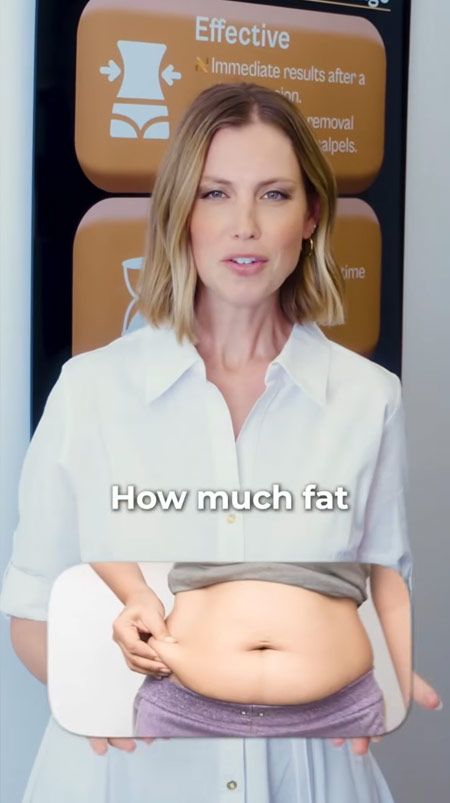
For appropriate candidates, NovoSculpt provides physician-led, minimally invasive direct fat removal and structural grafting performed under local tumescent anesthesia. Our proprietary, patent-pending surgical approach allows procedures to be conducted while the patient remains awake, without requiring general anesthesia.
Our specialized, physician-delivered offerings for suitable patients include:
- Direct Fat Removal: Precise extraction of targeted subcutaneous fat deposits while you remain alert.
- Novo360 Planning: Comprehensive, circumferential contouring of the abdomen, flanks, and lower back to create balanced proportions (conceptually related to, but distinct from, traditional Lipo 360).
- NovoTight: Advanced plasma-based subdermal skin tightening that delivers controlled thermal energy beneath the skin to encourage deep tissue contraction.
- NovoGain: Natural autologous fat grafting that purifies your own harvested adipose cells to restore volume to areas such as the breasts.
- NovoBum: Specialized gluteal fat transfer designed to enhance curvature and projection (conceptually related to traditional BBL, performed exclusively using careful subcutaneous grafting techniques).
- NovoTuck: A conservative, limited skin-excision approach for selected areas of localized dermal laxity. It is distinct from more extensive excisional operations, such as a traditional abdominoplasty, and is not intended to provide the same correction for every patient.
Our awake surgical approach is not non-invasive, zero-downtime, or risk-free. It is an invasive surgical procedure designed to perform targeted subcutaneous contouring under local anesthesia.
Patient Candidacy, Safety Considerations, and Individualized Recovery
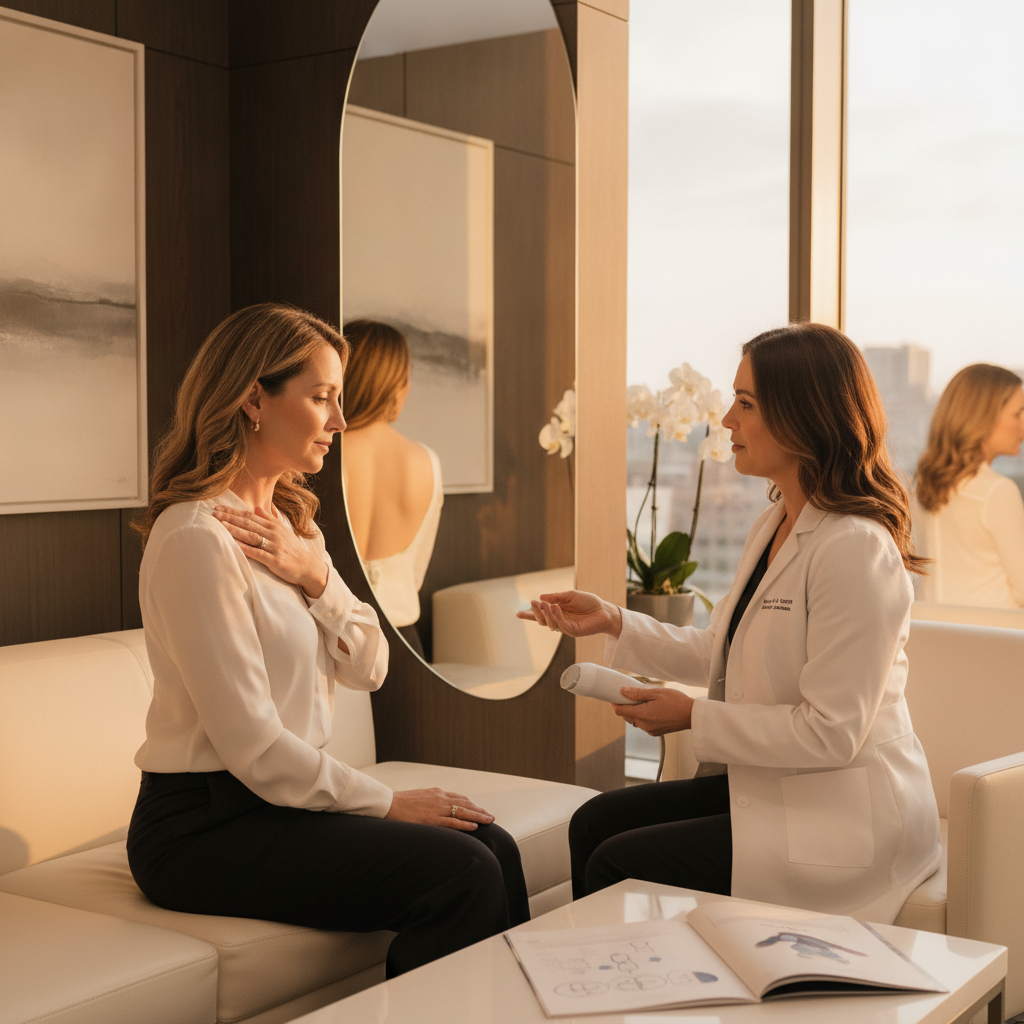
Carefully planned treatment and realistic aesthetic expectations require thoughtful patient selection. Ideal candidates are near a stable body weight, possess realistic expectations, and are in good overall health. Preoperative screening evaluates cardiovascular health, smoking status, and medication use to ensure full suitability for local anesthesia.
Every surgical intervention involves inherent risks that must be carefully managed. For information about non-invasive body-contouring technologies, including their limitations and potential complications, readers can review FDA consumer guidance. Patients can also explore peer-reviewed plastic surgery literature when preparing questions for a clinical consultation. Procedure-specific safety planning should be discussed with a qualified clinician and informed by applicable professional guidance:
- Common Postoperative Effects: Localized bruising, temporary swelling, mild soreness, and transient numbness or sensation changes.
- Surgical Complications: Infection, bleeding, seroma or hematoma formation, asymmetrical contours, and skin or thermal irregularities associated with energy delivery devices.
- Anesthesia & Thromboembolic Risks: Adverse reactions to local anesthetic agents, lidocaine toxicity if dosed improperly, and thromboembolic events such as deep vein thrombosis (DVT) or pulmonary embolism (PE).
- Specialized Grafting Risks: In line with warnings from the FDA and the Multi-Society Task Force for Safety in Gluteal Fat Grafting, gluteal fat transfer carries rare but critical risks of pulmonary fat embolism. Risk reduction requires strict adherence to subcutaneous-only grafting planes and the avoidance of deep intramuscular injection. Contemporary professional safety guidance also emphasizes appropriate cannula placement and, where applicable, real-time ultrasound guidance to help visualize the injection plane; these precautions do not eliminate every risk of fat embolism.
It is also important to understand biological fat dynamics: fat cells physically removed during liposuction are not restored as the same cells, but remaining fat cells can enlarge with future weight gain and longer-term adipose-tissue changes may occur. In fat-transfer procedures, graft retention varies from person to person as grafted cells establish blood supply. Reviewing best plastic surgeon near me patient reviews offers valuable real-world perspectives on the recovery process and clinical care.
Recovery timelines are individualized based on procedural scope, tissue characteristics, clinical findings, and personal healing rates. NovoSculpt’s general written postoperative guidance typically advises:
- Resting for the first 48 hours, with light showering generally permitted after approximately 48 hours.
- Wearing supportive medical compression garments continuously for at least two weeks unless directed otherwise.
- Resuming full daily activities around two weeks and strenuous exercise around six weeks, subject to the treating surgeon’s specific clearance.
- Recognizing that contour refinement and tissue settling may continue for approximately three to six months.
These are general practice guidelines, not guarantees or universal requirements. Individual instructions depend on the procedure, treatment extent, clinical findings, and the treating surgeon’s recommendations.
Essential Questions to Ask During Your Body Sculpting Consultation
Your initial consultation is your opportunity to evaluate both the surgical plan and your provider’s clinical expertise. To assess procedural quality and safety, ask the following targeted questions:
- How many awake body contouring and autologous fat transfer procedures do you perform each month?
- Do you have a comprehensive gallery of before and after photographs of patients with body types similar to mine?
- What specific local tumescent anesthesia protocols and patient-monitoring systems do you utilize during surgery?
- What are your facility’s emergency protocols and hospital transfer plans if unexpected complications arise?
- What is your policy regarding touch-ups or surgical revisions if healing results in minor contour asymmetry?
- What is the scheduled timeline for postoperative follow-up appointments?
Frequently Asked Questions About Body Contouring Near Armonk, NY
What should patients know about awake fat removal?
Awake fat removal relies on local tumescent anesthesia, which infuses dilute lidocaine and epinephrine directly into targeted subcutaneous adipose tissue. This provides localized anesthesia while constricting local blood vessels to reduce bleeding. Patients remain conscious throughout surgery, enabling intraoperative position adjustments and mobility checks during contouring without the use of general anesthesia.
How can I verify a plastic surgeon’s credentials?
You can verify surgical credentials through the American Board of Plastic Surgery (ABPS) or the American Board of Medical Specialties (ABMS) online databases. This confirms that the practitioner completed a dedicated residency in plastic and reconstructive surgery and met rigorous examination standards.
What is the difference between facility accreditation and a surgeon’s credentials?
A surgeon’s credentials reflect their personal medical education, residency training, board examinations, and hospital privileges. Facility accreditation evaluates the operating suite’s physical safety, sterility standards, emergency life-support equipment, and regulatory compliance.
What is the expected postoperative recovery timeline following minimally invasive contouring?
Recovery depends on the procedure, treatment extent, clinical findings, and personal healing. Follow the treating surgeon’s instructions for showering, compression, activity, and follow-up.
Are the results of body contouring and NovoGain augmentation permanent?
Fat cells physically removed during direct fat extraction are not restored as the same cells. However, remaining fat cells can enlarge with weight gain, and longer-term adipose-tissue changes may occur. With NovoGain fat transfer, graft retention varies from person to person; surviving grafted cells may establish a blood supply and behave like natural tissue.
What are the main risks associated with body contouring and fat grafting?
Potential risks include localized swelling, bruising, temporary numbness, asymmetry, infection, bleeding, seroma, thermal or skin irregularities, anesthetic reactions, and thromboembolic complications (DVT/PE). Gluteal fat transfer carries specific risks of fat embolism, requiring strict subcutaneous placement.
Who is an ideal candidate for awake body contouring?
Ideal candidates are healthy adults near a stable body weight who have localized, diet-resistant subcutaneous fat deposits and reasonable skin elasticity. A thorough clinical assessment evaluates medical history, BMI, and local-anesthesia suitability.
Conclusion: Partnering with a Premier Body Contouring Specialist
Finding an accomplished body contouring provider near Armonk requires choosing a team dedicated to surgical precision, patient safety, and individualized aesthetic care. NovoSculpt’s physicians are specialty-trained plastic surgeons who graduated from U.S. universities, combining advanced anatomical expertise with modern awake body-sculpting techniques.
NovoSculpt operates from one physical location in Cos Cob/Greenwich, Connecticut, where we welcome patients seeking refined body contouring from Greenwich, Fairfield County, and nearby Westchester County, New York (including Armonk). To begin your body contouring journey, schedule a consultation with our surgical team today.
Written by: Roberto Magana, BSc, MBA — CEO, NovoSculpt
Last Updated: October 14, 2026
