
Explore Your Plastic Surgery Options Before Your Consultation
Plastic surgery includes reconstructive care, which addresses injury or medical conditions, and cosmetic care, which changes appearance. If your goal is body contouring, ask which option fits the area you want to change, what it can and cannot do, and whether a less invasive approach is appropriate. These are different decisions from weight loss or skin tightening.
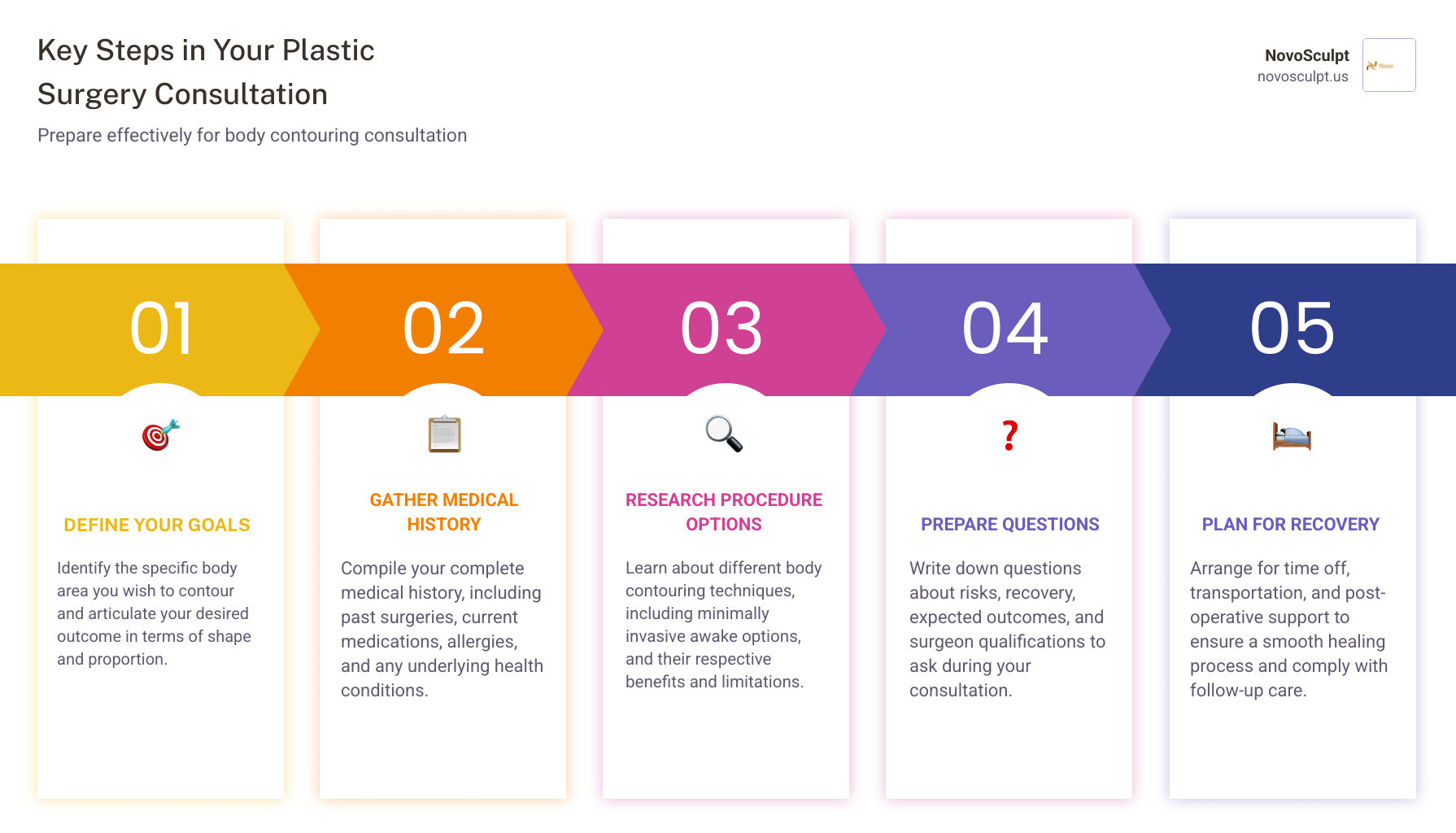
The word plastic comes from a term meaning “to shape.” Before your consultation, write down your goals and medical history. Be ready to discuss alternatives, risks, and recovery with your surgeon. A good plan starts with understanding your options, not choosing a procedure name.
Understanding Plastic Surgery Concepts Relevant to Body Contouring
Preparing for an aesthetic procedure requires understanding how surgical interventions alter human anatomy. While general overviews from resources like Britannica and MedlinePlus explain the field’s reconstructive and cosmetic roles, modern aesthetic medicine also includes targeted approaches to contouring. When patients explore the broader category of plastic surgery procedures, they often seek to address stubborn localized tissue deposits or volume imbalances that resist diet and exercise.
To make informed choices, prospective patients should understand the precise physical mechanisms, intended structural changes, and physiological boundaries of various body-contouring modalities:
| Body-Contouring Goal | Intended Tissue Changes | Procedural Approaches | Primary Clinical Limitations |
|---|---|---|---|
| Localized Fat Removal | Direct removal of localized subcutaneous fat | NovoSculpt: minimally invasive direct fat removal | Does not substitute for weight loss; skin retraction is limited by baseline skin quality |
| Volume Augmentation & Transfer | Transfer of a patient’s own harvested fat to enhance selected contours | NovoGain: autologous fat transfer | Graft retention varies; sufficient donor fat and appropriate candidacy are required |
| Skin Tightening | Targeted tightening of selected soft tissue | NovoTight: minimally invasive skin tightening | It may not address substantial excess or loose skin |
| Limited Skin Excision | Surgical removal of selected excess skin | NovoTuck: limited surgical skin excision for selected patients | More extensive skin redundancy may require conventional excisional surgery |
| Extensive Structural Redundancy Repair | Broad surgical excision of redundant skin and tissue | Conventional excisional surgery, such as full abdominoplasty or an extended body lift | Longer scars and recovery are common; anesthesia selection varies with the operation, patient, and clinical setting |
Understanding Aesthetic Goals and Treatment Planning
A successful body-contouring outcome relies on individualized treatment planning rather than applying a standardized surgical template. Aesthetic refinement involves evaluating body proportions, assessing underlying skeletal frameworks, and identifying specific areas of localized subcutaneous fat. During an initial clinical evaluation, the treating surgeon evaluates how changes in one anatomical zone, such as the waistline or flanks, may affect surrounding contours.
Establishing realistic expectations is essential. Surgical and minimally invasive techniques alter tissue architecture, but they do not arrest biological aging or override lifestyle factors. Patients should approach their initial consultation prepared to discuss their anatomical priorities openly, enabling the surgical team to create a balanced, step-by-step treatment plan that balances procedural capability with patient safety.
Understanding Awake, Minimally Invasive Body Contouring
Traditional cosmetic surgery often requires general anesthesia and extended recovery periods. In contrast, modern outpatient aesthetic medicine has advanced toward minimally invasive, awake body-contouring techniques performed entirely under local tumescent anesthesia.
Awake procedures performed with local tumescent anesthesia may avoid some exposures associated with general anesthesia. They still involve important safety considerations: local anesthetics, sedation when used, and surgery itself can cause complications or side effects. Small entry sites may limit incision length for appropriate procedures, but recovery and scarring vary. Minimally invasive approaches have specific anatomical boundaries. They may be considered for targeted fat removal, selected skin-tightening treatments, and autologous fat transfer, while patients with extensive skin redundancy may need conventional excisional surgery.
Navigating Body Contouring Goals and Treatment Areas

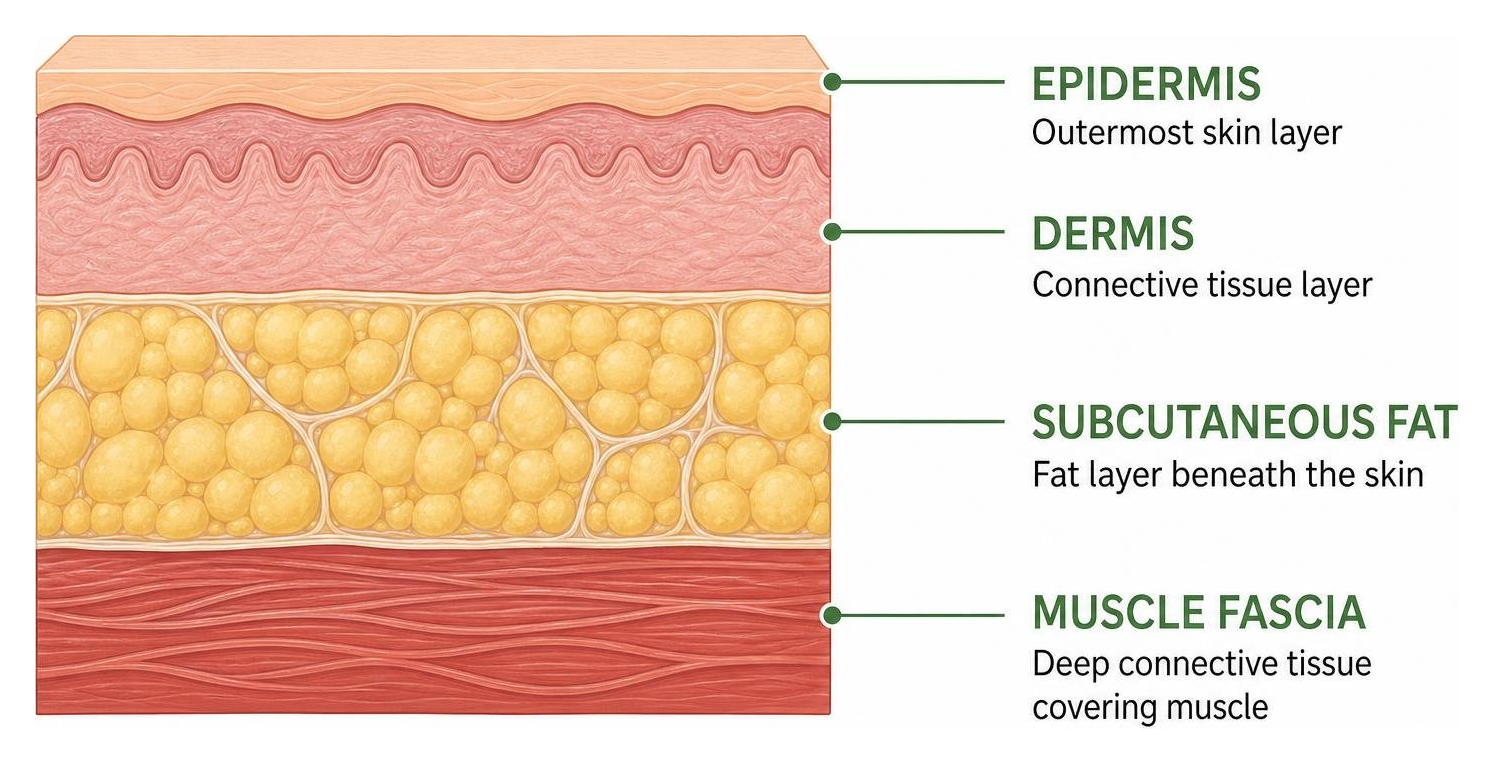
A clear understanding of tissue anatomy prevents common misconceptions regarding body contouring. As documented by academic centers such as Johns Hopkins Medicine and the Cleveland Clinic, cosmetic body contouring acts directly upon the subcutaneous adipose layer located between the cutaneous dermis and underlying muscular fascia.
Patients must understand several critical clinical distinctions:
- Fat Removal vs. Weight Loss: Targeted fat removal reduces the number of fat cells in treated areas. Removed cells do not regenerate in the same way, but remaining fat cells can enlarge with weight gain and body contours can change over time. It is not an obesity intervention or a method for systemic weight reduction.
- Fat Reduction vs. Skin Tightening: Emptying or removing deeper fat deposits does not automatically tighten the overlying skin. Patients with moderate-to-severe skin laxity may require simultaneous thermal tissue coagulation or formal excision.
- Limited Excision vs. Open Reconstruction: Minimally invasive techniques excel at direct tissue refinement through minimal entry points, whereas extensive structural overhangs require traditional, invasive surgical excision.
Understanding Body Contouring Goals and Treatment Areas
Different anatomical regions exhibit unique tissue densities, vascular networks, and elasticity profiles. For instance, the fibrous tissue of the upper back and male chest requires specialized surgical handling compared to the softer adipose deposits commonly found in the lower abdomen, flanks, or inner thighs.
During procedural planning, practitioners evaluate localized adiposity alongside baseline skin recoil. Patients with healthy skin tone generally experience favorable retraction over treated contours, whereas those with significant structural laxity must be evaluated for combined tightening protocols or referred for open surgical intervention.
Evaluating Body Contouring Options in Plastic Surgery
When exploring options across the spectrum described by the American Society of Plastic Surgeons and MedlinePlus, patients can choose between traditional open operations and advanced, physician-led awake interventions. For those seeking targeted fat extraction with minimal disruption to daily life, minimally invasive body sculpting offers an effective outpatient alternative.
NovoSculpt is a physician-led body-contouring practice that offers awake procedures using local anesthesia when appropriate. NovoSculpt refers to minimally invasive direct removal of localized subcutaneous fat. NovoTight refers to minimally invasive skin tightening. NovoGain uses a patient’s own harvested fat for autologous fat transfer, and NovoTuck is limited surgical skin excision for selected patients with excess or loose skin. These approaches are not interchangeable, and more extensive skin redundancy may require conventional excisional surgery. Candidacy, anesthesia planning, and recovery depend on anatomy, health, the treatment plan, and realistic aesthetic goals.
Clinical Safety, Risks, and Recovery Realities
Patient safety is a central consideration for any elective aesthetic procedure. Minimally invasive techniques may avoid some aspects of general anesthesia in appropriate cases, but all procedures affecting skin and subcutaneous tissue carry risks. Honest conversations about expected benefits, alternatives, anesthesia planning, and possible complications help patients weigh treatment decisions against recovery realities.
Surgeon Credentials and Anesthesia Considerations
Choosing a qualified surgical provider is critical for minimizing clinical risks and achieving consistent aesthetic results. When prospective patients evaluate their options, learning how to compare plastic surgeons and identify potential red flags helps protect their health and safety.
Key safety and credentialing questions include:
- Physician Qualifications: Ask the provider directly about the treating physician’s licensure, training, relevant experience, and the procedure-specific qualifications that apply to your care. These are individual physician matters and should not be inferred from a facility’s status.
- Anesthesia Planning: Discuss whether local anesthesia, sedation, or another approach is appropriate for the planned procedure. Local tumescent anesthesia may avoid some exposures associated with general anesthesia, but it has its own potential adverse reactions and requires individualized assessment.
- Facility Standards: Ask about sterile protocols, patient monitoring, emergency preparedness, and any facility accreditation. Facility accreditation is distinct from an individual physician’s qualifications.
Postoperative Care and Recovery Timelines
Healing is a gradual biological process that varies based on individual health, tissue elasticity, and the extent of treatment. Adhering closely to clinical postoperative instructions directly influences final aesthetic outcomes and minimizes complication rates.
NovoSculpt’s documented general postoperative guidance may include the following, subject to the treating surgeon’s instructions:
- Showering Guidelines: Gentle showering may be permitted after approximately 48 hours, with incision care tailored to the procedure.
- Compression Garment Compliance: Compression is generally recommended for at least two weeks unless the treating surgeon advises otherwise.
- Routine Activities: Many patients gradually resume routine daily activity around two weeks, but work restrictions and recovery needs vary by treatment, combined procedures, and individual healing.
- Strenuous Exercise: Strenuous workouts, heavy lifting, and vigorous athletic activity are generally postponed until around six weeks, subject to surgeon clearance.
- Results Timeline: Swelling and tissue remodeling resolve at different rates. Improvement may continue for months, and the timing of results varies by procedure and individual healing.
Frequently Asked Questions About Preparing for Your Consultation
How does body contouring differ from weight loss?
Body contouring focuses on altering localized shape, proportions, and subcutaneous contours rather than reducing systemic body weight. Direct fat removal reduces the number of fat cells in targeted areas, such as the abdomen, flanks, or thighs. Remaining fat cells can enlarge with weight gain, and contours may change over time; the treatment is not generalized weight reduction. Ideal candidates are near their stable goal weight and seek to address specific areas that remain resistant to diet and cardiovascular exercise.
How should I prepare for an initial aesthetic consultation?
Preparation is essential for a productive initial consultation. Patients should bring a comprehensive medical history, including past surgical procedures, current prescription medications, nutritional supplements, and underlying medical conditions. It is helpful to write down specific physical areas of concern and clear aesthetic goals. During the consultation, your surgeon will perform a physical examination to evaluate localized fat distribution and skin elasticity, answer your questions, and determine whether minimally invasive awake contouring or traditional surgical approaches are most appropriate.
What are the most common risks associated with minimally invasive body-contouring procedures?
Minimally invasive awake procedures may avoid some exposures associated with general anesthesia, but potential complications remain possible with any surgical tissue intervention. Common risks and temporary side effects include:
- Localized swelling (edema), bruising, and temporary tenderness
- Fluid accumulation beneath the skin (seroma)
- Localized bleeding or bruising (hematoma)
- Minor superficial infection requiring antibiotic therapy
- Skin contour irregularities or temporary asymmetrical healing
- Unfavorable scarring at entry sites or delayed healing
- Mild, transient localized skin numbness or sensory changes
Potentially serious complications can also occur, including infection, significant bleeding, blood clots, and adverse reactions to local anesthetics or sedation when used. Fat transfer has additional procedure-specific risks that should be discussed during consultation. Seek urgent medical care for symptoms identified by your surgical team as concerning, such as trouble breathing, chest pain, or rapidly worsening swelling.
Conclusion
A successful aesthetic journey relies on objective education, verified credentials, and open communication with your surgical team. Understanding the technical differences between fat reduction, skin tightening, and open surgery allows patients to choose treatments based on their specific anatomical needs rather than marketing trends.
NovoSculpt provides physician-led, awake body-contouring procedures at its single clinical facility in Cos Cob, Greenwich, Connecticut. Patients from Fairfield County and Westchester County, including Stamford, Darien, New Canaan, Westport, Scarsdale, White Plains, and Armonk, can visit the Cos Cob location to discuss targeted minimally invasive fat removal, skin tightening, autologous fat transfer, or limited skin excision when appropriate.
Because procedural suitability depends on individualized anatomical assessments, health history, and tissue characteristics, exploring your options begins by consulting with a qualified plastic surgeon near you to determine the safest and most effective plan for your aesthetic goals.
