
What Helps Loose Skin After Pregnancy?
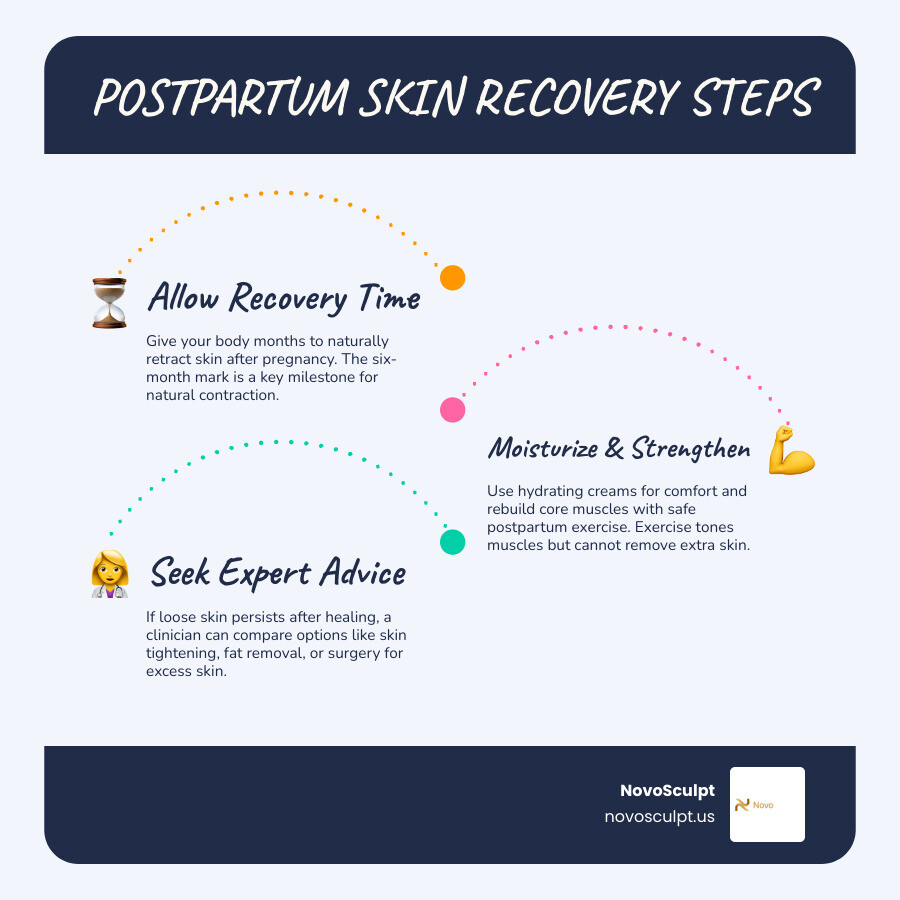
To care for loose skin after pregnancy, give your body time to recover, moisturize dry or itchy skin, and ease into postpartum exercise when your clinician says it is safe. Strength training can rebuild muscle, but it cannot remove extra skin. Creams can help skin feel comfortable, but they are unlikely to tighten it significantly.
Pregnancy stretches the abdomen, and skin does not spring back the same way for everyone. If loose skin still bothers you after your body has had time to heal, a qualified clinician can help you compare treatment options. Skin tightening, fat removal, and surgery for excess skin address different concerns.
Understanding the Causes of Loose Skin After Pregnancy
During the forty weeks of gestation, the human body performs an extraordinary feat of biological expansion. To accommodate a growing baby, amniotic fluid, and the expanding uterus, the skin across the abdomen must stretch far beyond its baseline dimensions. This process relies on collagen and elastin fibers within the dermis—the structural matrix responsible for giving skin its firmness and elasticity.
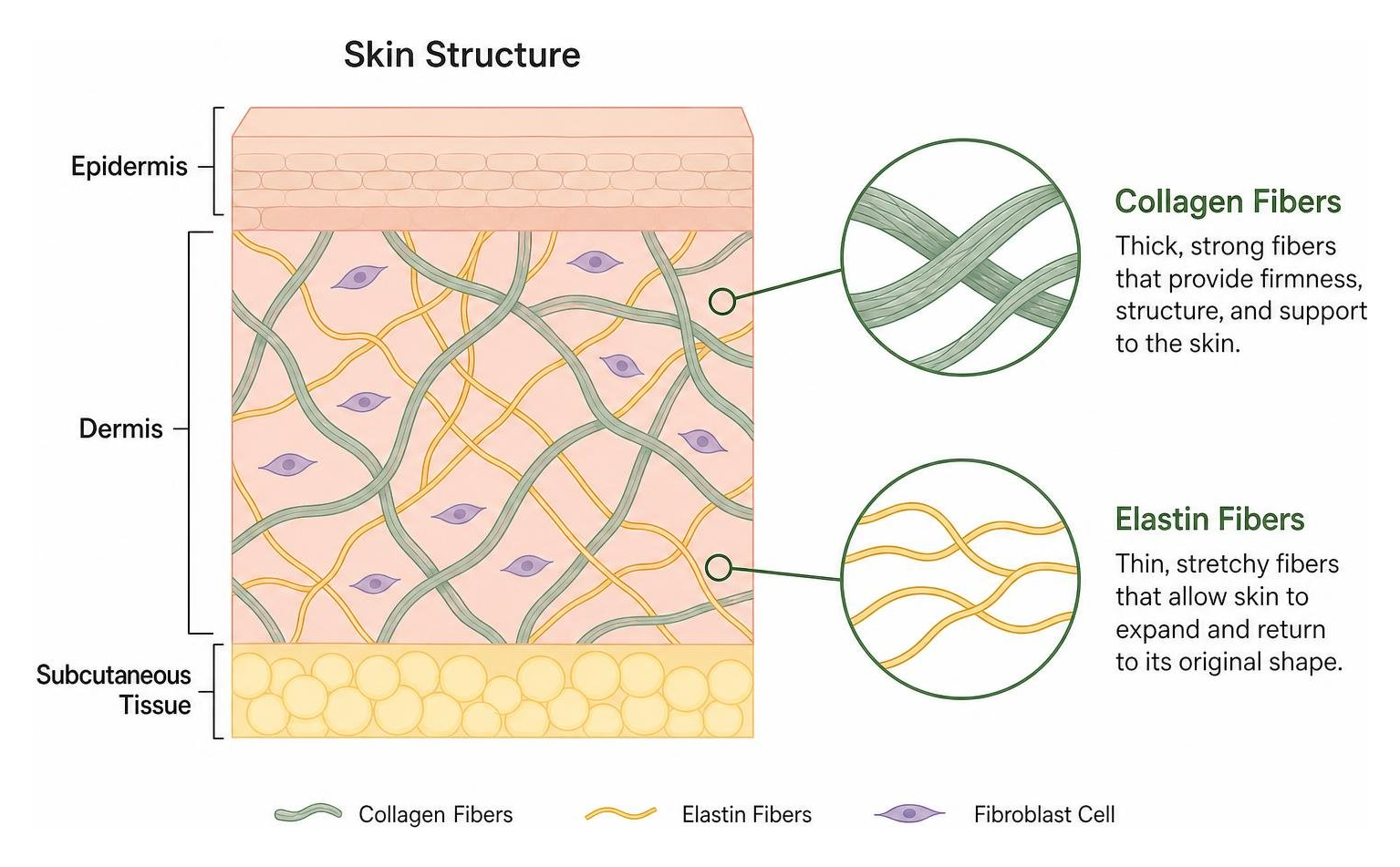
As the abdomen expands, collagen and elastin-rich skin is placed under sustained tension. The degree to which skin later retracts varies widely and can be influenced by baseline skin characteristics, the extent of stretching, changes in body weight, and individual healing. Pregnancy-related stretching can leave skin feeling less firm, but the underlying changes and recovery pattern differ from person to person.
Physical stretching, changes in abdominal volume, and normal healing after pregnancy can affect skin texture and contour. Some people also notice stretch marks, a lingering overhang, or post-pregnancy C-section shelf concerns, where scar tethering, skin laxity, and localized fat may each contribute. Recognizing that these changes are common can help set realistic expectations, while an individualized evaluation can clarify the factors involved. Learn more about general maternal dermatological health through Common Skin Conditions During Pregnancy | Family Doctor.
Why Some Women Develop Loose Skin After Pregnancy While Others Do Not
Postpartum skin recovery is highly individualized, and no two bodies respond to the physical demands of childbearing in the exact same manner. Several key biological and lifestyle variables dictate whether skin snaps back quickly or retains significant laxity:
- Baseline skin characteristics: Genetics, prior skin changes, and natural variation in connective tissue can influence how skin responds to stretching.
- Extent of abdominal stretching: Carrying multiples, polyhydramnios, and other factors that increase abdominal size can place more tension on the skin.
- Body-weight changes: Changes in body weight during and after pregnancy can affect abdominal contour, but no approach can reliably prevent postpartum skin redundancy.
- Overall health and healing: Sleep, nutrition, sun exposure, medical conditions, and other individual factors can affect skin health and recovery, although they do not guarantee a particular cosmetic outcome.
Postpartum Healing Timeline and Natural Retraction
Postpartum recovery involves several processes that do not follow one fixed timetable. Uterine involution commonly occurs over the first several weeks after delivery, while fluid changes, weight stabilization, abdominal-wall recovery, and skin remodeling may continue on different timelines. In the early postpartum period, the abdomen and overlying skin may look and feel softer or looser as the body recovers.
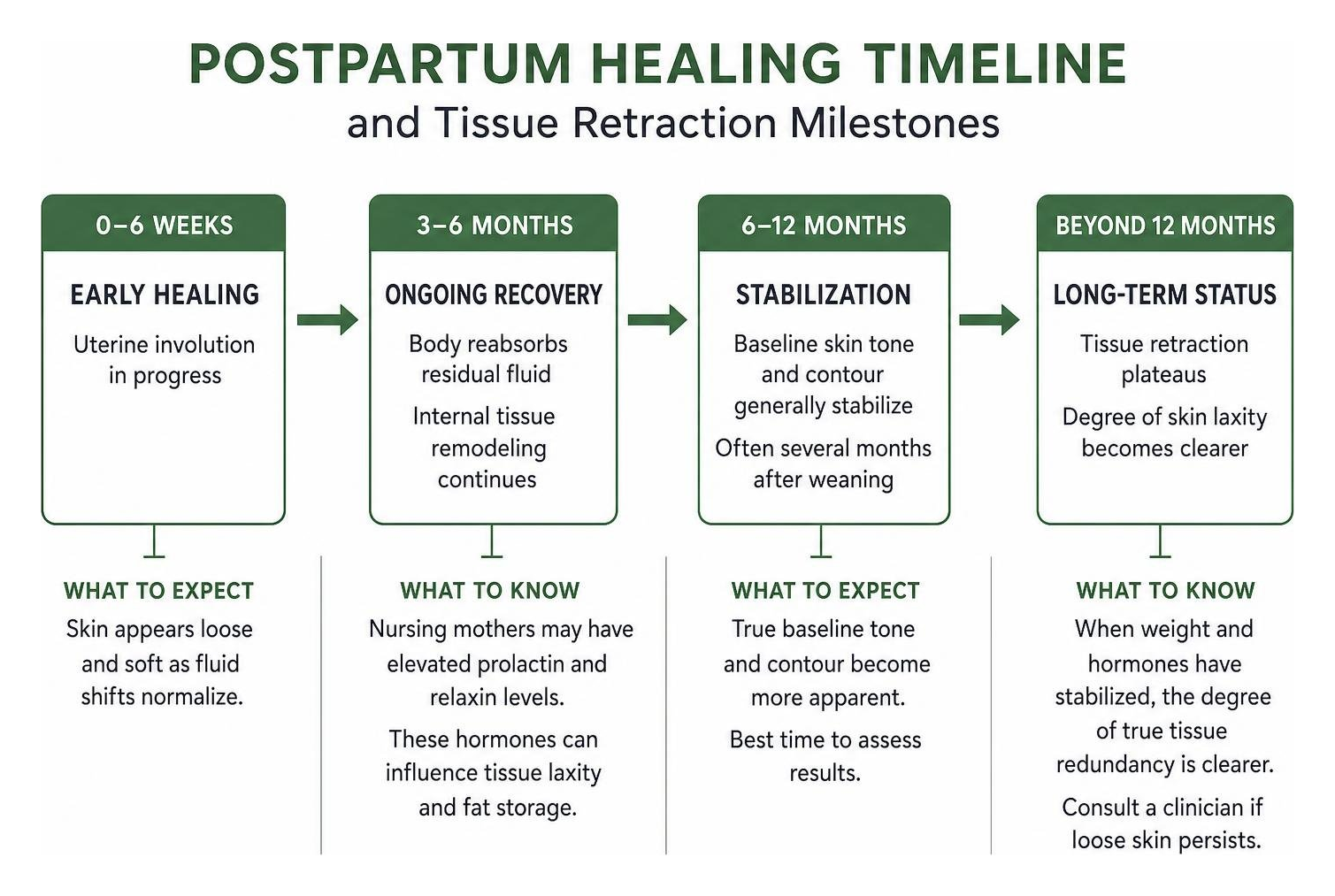
Skin appearance may continue to change over many months, but the pace and extent of change vary substantially. Lactation, weight changes, future pregnancy plans, medical history, and overall postpartum recovery can all matter when considering elective contouring. A clinician can evaluate concerns at any point; the timing of treatment is individualized and may involve coordination with an obstetrician or other treating clinician. When evaluating options for managing skin laxity after postpartum weight changes, a personalized assessment can help clarify whether observation, rehabilitation, skin tightening, limited excision, or another approach is appropriate.
At-Home Care and Prevention Strategies
Supporting the skin’s natural recovery process begins with foundational wellness practices. While at-home measures cannot magically eliminate severe skin folds or repair torn fascia, they play a vital role in optimizing the cellular environment for dermal repair.
Prioritizing internal hydration keeps dermal cells plump, while a balanced intake of essential fatty acids, vitamin C, zinc, and bioavailable protein supports normal collagen synthesis. Mothers recovering from childbirth can benefit from reviewing appropriate nutrition for tissue recovery to supply the body with the micronutrients needed for tissue repair and long-term metabolic health.
How to Prevent Loose Skin After Pregnancy During Your Trimesters
Prenatal care and healthy habits can support overall maternal health and skin comfort during rapid abdominal growth, but they cannot reliably prevent postpartum loose skin.
- Follow individualized prenatal guidance: Work with your obstetrician or other prenatal clinician on nutrition, activity, and weight-gain recommendations appropriate for your health and pregnancy.
- Use topical products for comfort: Gentle moisturizers or fragrance-free emollients may help with dryness, itching, and the feeling of tight skin. They should not be expected to prevent or reverse postpartum excess skin.
- Seek advice for concerning symptoms: Persistent rash, pain, marked irritation, or other skin concerns during pregnancy should be discussed with an appropriate clinician.
The Role of Topicals, Diet, and Strength Training
It is essential to distinguish between what topical products and exercise can achieve and what requires clinical intervention:
- Topical Formulations: Creams, oils, and serums may hydrate the skin and improve comfort or surface texture. They do not reliably prevent or reverse postpartum excess skin.
- Core Rehabilitation and Diastasis Recti: Diastasis recti is a widening of the space between the rectus abdominis muscles. Targeted physical therapy and appropriately guided core rehabilitation may improve function, strength, symptoms, and sometimes the degree of separation, but they do not guarantee complete anatomical repair. Significant or symptomatic separation, suspected hernia, or persistent functional concerns warrant individualized clinical evaluation.
- Muscle Tone vs. Skin Retraction: Building underlying muscle can improve strength and abdominal support, but it does not reliably remove redundant skin. If skin excess remains, an evaluation can help distinguish whether rehabilitation, observation, skin tightening, limited excision, or another option is appropriate.
In-Office Treatments for Tightening Postpartum Skin
When at-home measures reach their anatomical limit, modern aesthetic medicine offers a spectrum of clinical pathways. Navigating these options requires understanding the difference between treating skin texture, removing stubborn subcutaneous fat pockets, and excising true redundant skin folds. Patients exploring options often consider various non-surgical mommy makeover solutions before determining whether minimally invasive or traditional surgical approaches align with their anatomical needs.
| Treatment Category | Primary Mechanism | Best Suited For | Recovery Considerations |
|---|---|---|---|
| At-Home Care & Rehabilitation | Skin comfort measures, guided core rehabilitation, and general postpartum recovery | Dryness or itching, functional core concerns, and early recovery questions | No procedural downtime; recovery from pregnancy and rehabilitation needs vary |
| Minimally Invasive Skin Tightening | Energy-based treatment intended to support skin contraction in selected patients | Mild-to-moderate laxity when a clinician determines it is appropriate | Depends on the treated area, technique, and whether it is combined with another procedure |
| Minimally Invasive Direct Fat Removal | Targeted removal of localized fat | Localized fat deposits with or without other contour concerns | Depends on treatment extent and any combined procedure; surgeon guidance controls return to activity |
| Limited Surgical Skin Excision | Removal of a limited amount of excess skin | Selected patients with localized loose or excess skin | Recovery varies by incision, treatment area, and whether other procedures are combined; it does not automatically include muscle repair |
| Conventional Extensive Excisional Surgery | More extensive skin removal and, when indicated, abdominal-wall repair | Significant excess skin or abdominal-wall concerns beyond the scope of limited approaches | Usually involves a longer recovery and requires individualized surgical planning |
Understanding the Limits of Topicals and Toning
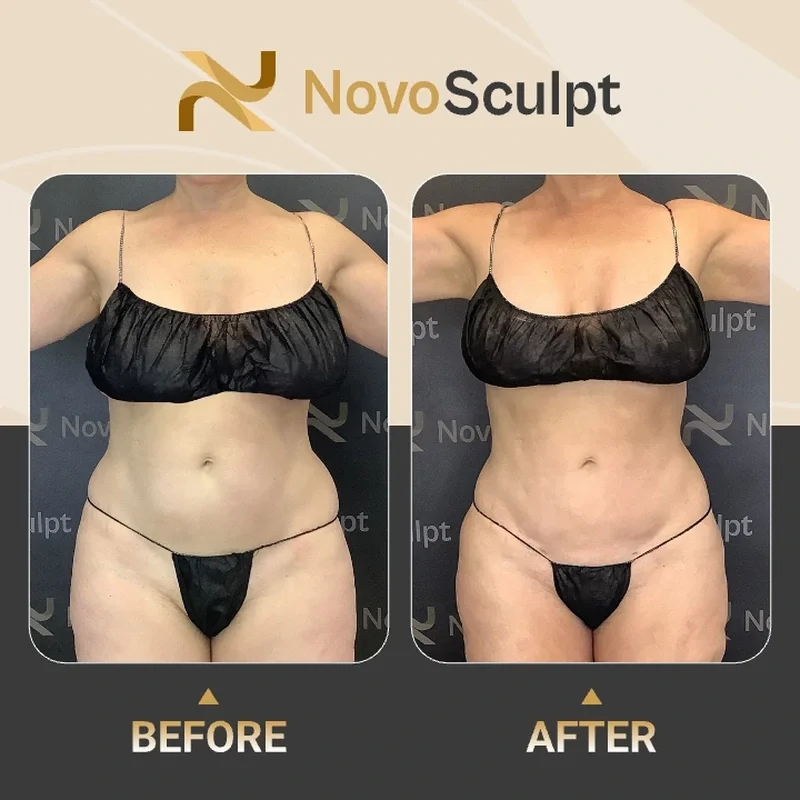
For women experiencing mild skin looseness without significant fat accumulation or deep structural sagging, gentle skin care and core conditioning provide a reasonable starting point. However, topical products and general muscle toning act only on the surface of the skin or on underlying muscle, not on the stretched collagen and elastin fibers within the dermis itself.
When postpartum changes involve both localized fat pockets that resist diet and exercise and mild-to-moderate skin laxity, a physician-led evaluation can help determine whether more targeted, clinically directed care is appropriate. Patients researching options such as skin tightening in Darien should understand that true tissue retraction generally requires an individualized treatment plan developed with a qualified clinician, rather than relying on at-home measures alone.
Minimally Invasive Contouring and Skin Tightening
When postpartum changes involve both localized fat pockets that resist diet and exercise along with mild-to-moderate skin laxity, minimally invasive procedures bridge the gap between at-home care and traditional major surgery.
NovoSculpt provides physician-led, minimally invasive body-contouring and direct fat-removal procedures that may be performed awake with local tumescent anesthesia for selected patients. Local anesthesia can avoid some exposures associated with general anesthesia, but it does not eliminate surgical or anesthesia-related risks, and recovery varies by patient and procedure. A consultation is needed to determine whether an awake approach is appropriate.
NovoTight is NovoSculpt’s minimally invasive skin-tightening approach, used when a clinician determines that it may be appropriate for the patient’s degree of laxity. NovoSculpt’s direct fat-removal approaches, including Novo360 where appropriate, address localized fat rather than excess skin. NovoTuck is a minimally invasive approach to limited surgical skin excision for selected patients with excess or loose skin, not a direct fat-removal procedure. NovoGain refers to autologous fat transfer when that is clinically relevant. These treatments may be combined in carefully selected cases, but they are not interchangeable.
Understanding these minimally invasive body sculpting techniques helps patients distinguish direct fat removal from skin tightening and skin excision. Removing fat alone does not automatically tighten loose skin. A clinician can explain whether NovoTight, limited skin excision with NovoTuck, direct fat removal, or a combination is appropriate, as well as the expected recovery considerations for that specific plan.
When Significant Excess Skin Needs Medical Evaluation
Minimally invasive options have anatomical boundaries. Large hanging folds of redundant skin, substantial abdominal-wall symptoms, a suspected hernia, or concerns beyond the scope of a limited approach may require evaluation for conventional surgery or another treatment pathway. The need for muscle repair or other abdominal-wall treatment is determined separately and is not automatic with limited skin excision.
In these situations, a thorough clinical evaluation is essential. The clinician can assess tissue quality, skin excess, and abdominal-wall concerns to determine the most appropriate path forward, which may include conventional surgical skin excision when a limited approach is not suitable. An honest, physician-led consultation helps patients understand the benefits, limitations, risks, alternatives, and recovery expectations of each option.
Frequently Asked Questions About Postpartum Skin Laxity
How long does it take for loose skin to tighten after pregnancy?
Skin appearance can change over many months after pregnancy, but there is no single deadline for recovery. Uterine involution commonly occurs over the first several weeks, while fluid shifts, weight stabilization, abdominal-wall recovery, and skin remodeling progress on different and highly individual timelines. If loose skin remains a concern, a clinician can discuss observation, rehabilitation, and treatment options based on the person’s symptoms, goals, health history, and stage of postpartum recovery.
Can exercise and core workouts completely eliminate loose abdominal skin?
Appropriately guided core rehabilitation and physical therapy may improve abdominal function, strength, symptoms, and sometimes the degree of diastasis recti. They do not guarantee complete anatomical repair, and exercise does not reliably remove excess skin. Significant or symptomatic separation, suspected hernia, persistent pain, or functional concerns should be assessed individually by an appropriate clinician.
When should you see a doctor about postpartum skin changes?
Consult an appropriate clinician if you notice signs of skin infection within deep folds, persistent redness or irritation, a suspected hernia, significant abdominal-wall symptoms, or concerns about diastasis recti. A clinician can evaluate aesthetic concerns earlier as well. The timing of elective treatment depends on postpartum recovery, lactation, medical history, weight stability, future pregnancy plans, and the proposed procedure, often in coordination with an obstetrician or other treating clinician. When you are ready to evaluate personalized options, scheduling a body contouring consultation can clarify whether observation, rehabilitation, minimally invasive treatment, limited skin excision, or conventional surgery best matches your goals.
Conclusion: Restoring Your Post-Pregnancy Body Safely
Recovering from pregnancy is a unique journey that requires patience, self-compassion, and medically sound guidance. While time, balanced nutrition, and core rehabilitation form the bedrock of postpartum recovery, structural changes in the skin matrix sometimes require advanced clinical care.
Located exclusively in Cos Cob, Greenwich, Connecticut, NovoSculpt welcomes patients throughout Fairfield and Westchester counties seeking physician-led care. For selected individuals with localized fat deposits and mild-to-moderate laxity, minimally invasive procedures performed awake with local anesthesia may be considered as part of an individualized treatment plan. They are not appropriate for every concern or every patient.
Every body heals on its own timeline, and candidacy for any aesthetic procedure requires an individualized medical assessment. For certain NovoSculpt procedures, general postoperative guidance may include showering after approximately 48 hours, wearing a supportive compression garment for at least two weeks unless otherwise directed, returning to routine activity around two weeks, and resuming strenuous exercise around six weeks. These are procedure-specific considerations, not milestones for natural postpartum recovery or conventional major abdominal surgery, and individual instructions take priority. Final contour and skin-remodeling changes may continue for months.
If you are navigating postpartum changes and wish to explore your options, contact our Cos Cob clinic to learn more about specialized post-pregnancy body contouring at NovoSculpt. A personalized consultation can help determine whether observation, rehabilitation, minimally invasive treatment, limited skin excision, conventional surgery, or another approach is most appropriate for your goals and medical needs.
