
What NovoGain Fat Transfer Can Do for Natural Body Contouring
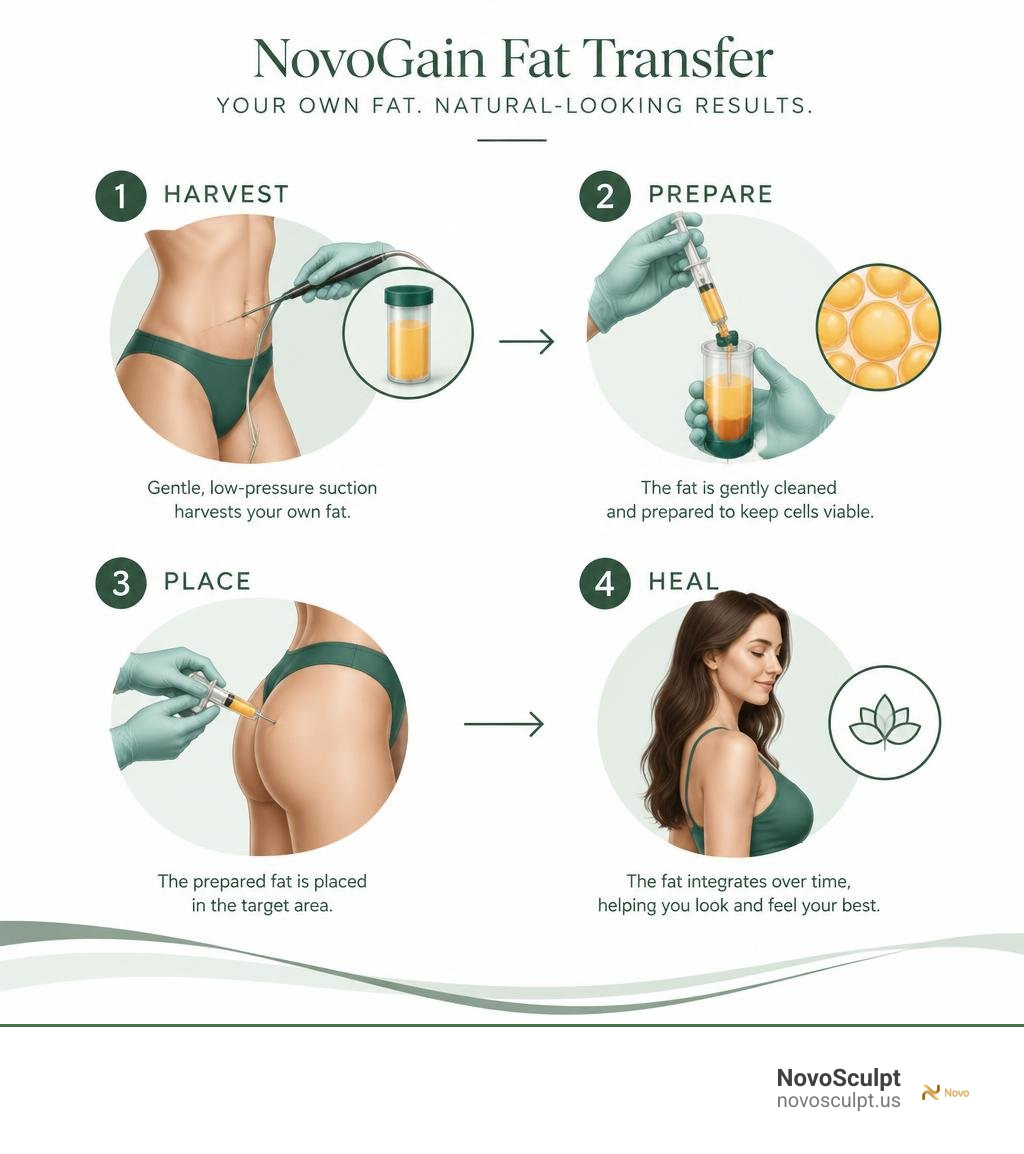
NovoGain™ is NovoSculpt’s minimally invasive, physician-led fat-transfer approach, using a patient’s own harvested fat to address selected volume and contour concerns. During treatment, a physician removes fat from a donor area, processes it for transfer, and places it in selected areas such as the breasts, buttocks, chest, or contour irregularities. Outcomes, including retained volume, vary by patient, treatment area, technique, healing, and weight changes.
For adults considering body shaping without implants, the practical first step is a consultation to determine whether there is adequate donor fat, a stable weight, and goals that fat grafting can reasonably address. Selected NovoGain procedures may be performed awake with local anesthesia, potentially avoiding general anesthesia for appropriate patients; however, every procedure still involves risks, and recovery varies.
NovoSculpt is a physician-led practice with one physical location in Cos Cob/Greenwich, Connecticut, serving patients from Greenwich, Fairfield County, Connecticut, and nearby Westchester County, New York.
Written by Roberto Magana, BSc, MBA — CEO, NovoSculpt.
Understanding the Science of NovoGain Fat Transfer
Autologous fat grafting uses a patient’s own adipose tissue. Fat tissue contains mature adipocytes and other cell types, but the clinical goal of cosmetic fat transfer is volume restoration and contour refinement, not an unproven regenerative treatment.
When fat is harvested during minimally invasive liposuction, the technique, handling, donor site, and patient factors can influence the graft. Careful harvesting and handling are intended to limit tissue trauma, but they cannot ensure how much transferred fat will survive.
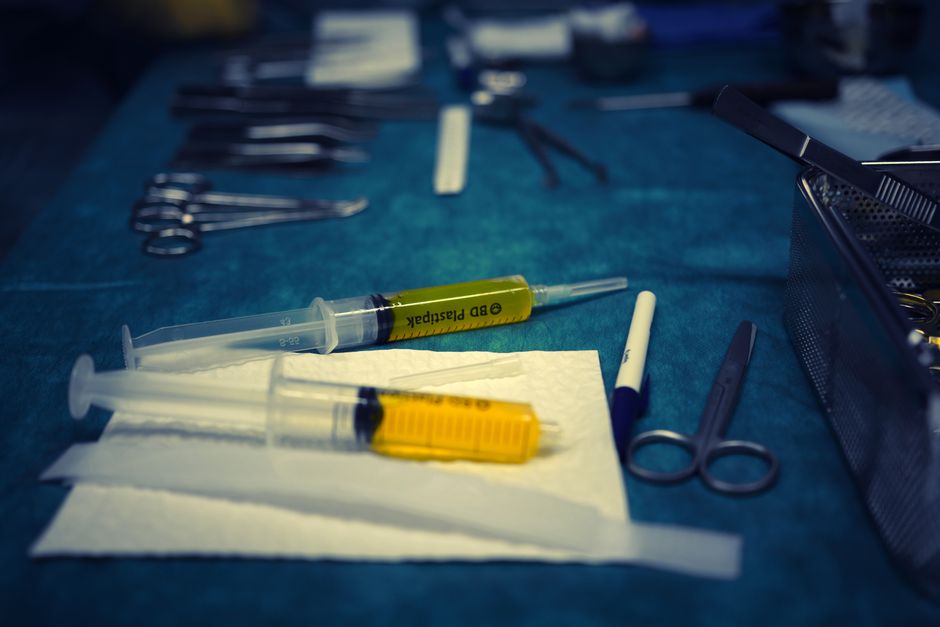
Once harvested, the tissue is processed to reduce excess fluid, blood, and oil before placement. Processing may improve handling of the graft, but it does not isolate exclusively viable cells or guarantee graft retention. Some transferred fat may establish a blood supply and persist long term, while some may be reabsorbed during healing.
How NovoGain Fat Transfer Works Step-by-Step
The procedure is generally organized into four stages. Specific steps, anesthesia, and safety precautions depend on the treatment area and the patient’s individualized plan:
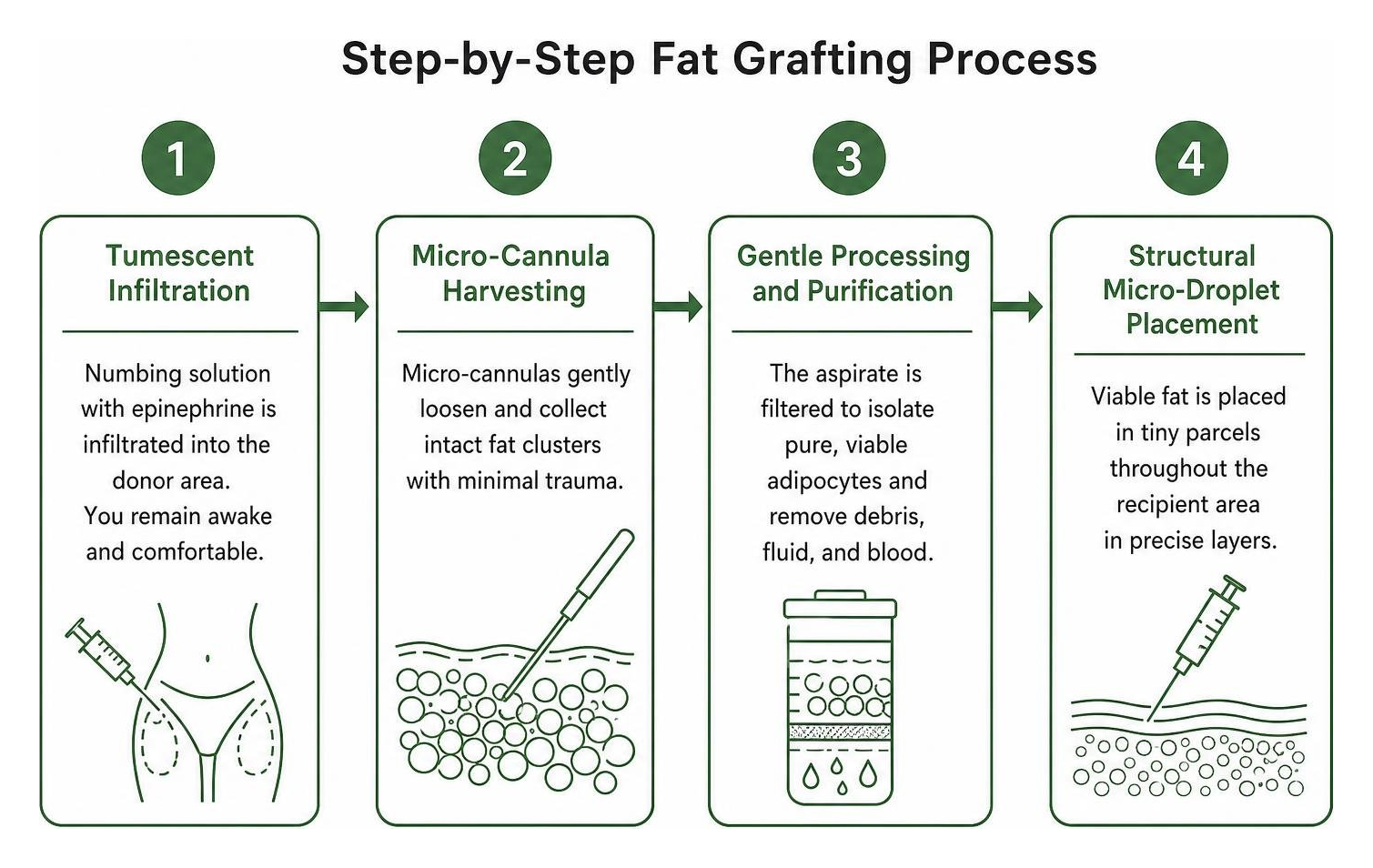
- Tumescent Infiltration: A dilute solution containing local anesthesia medication and epinephrine may be introduced into the donor area to help numb tissue and reduce bleeding. Local anesthesia does not eliminate procedural or anesthesia-related risks.
- Fat Harvesting: A physician uses cannulas to remove donor fat in accordance with the treatment plan.
- Processing: The harvested material is processed to reduce excess fluid and oil before transfer. The process does not guarantee that transferred cells will survive.
- Graft Placement: Fat is placed in small amounts within the planned recipient area. The amount that remains over time varies and may require reassessment or additional treatment.
Small-volume placement is commonly used to distribute grafted fat through the recipient area. Early graft healing depends on the recipient tissue and blood supply, but not every transferred cell survives. Retention and final contour can vary with patient factors, the treatment area, technique, healing, and later weight changes.
Clinical Advantages of NovoGain Fat Transfer
Fat transfer, implants, and dermal fillers have different indications, risks, limitations, and expected longevity. A consultation can help determine which option, if any, fits a patient’s goals and anatomy:
| Consideration | NovoGain Fat Transfer | Implants | Dermal Fillers |
|---|---|---|---|
| Material | Uses a patient’s own fat | Uses an implanted medical device | Uses an injectable product |
| Potential role | May restore modest volume while combining donor-area fat removal with transfer | May provide more predictable structural volume in selected areas | May offer temporary, nonsurgical volume correction in selected areas |
| Longevity | Some transferred fat may persist long term, but retention is variable and some volume can be reabsorbed | Devices are not lifetime devices and may require monitoring, revision, or replacement | Duration varies by product, treatment area, and patient factors; repeat treatment is commonly needed |
| Risks and limitations | Includes bleeding, infection, contour irregularity, asymmetry, fat necrosis, and variable retention | Includes surgical risks as well as device-specific risks such as capsular contracture or rupture | Includes swelling, bruising, nodules, and rare but serious vascular complications depending on the product and site |
| Anesthesia and recovery | May be performed with local anesthesia for selected patients; recovery varies | Often involves an operative setting and anesthesia tailored to the procedure | Often performed in an office setting; recovery and risks still vary |
Using a patient’s own fat avoids an implant or filler material, but it does not eliminate complications or make fat transfer appropriate for every goal. Patients should discuss alternatives, expected volume, possible revision, and procedure-specific risks with a qualified clinician. For patient-oriented breast fat-transfer safety information, see the American Society of Plastic Surgeons. The National Institutes of Health also provides broader public biomedical research resources.
Primary Treatment Areas for Natural Volume Restoration
NovoGain™ can combine fat removal from areas such as the abdomen, flanks, or thighs with planned re-injection for selected body contouring concerns. The appropriate donor and recipient areas, expected degree of change, and alternatives depend on an individualized assessment.
Subtle Gluteal Enhancement and Shaping
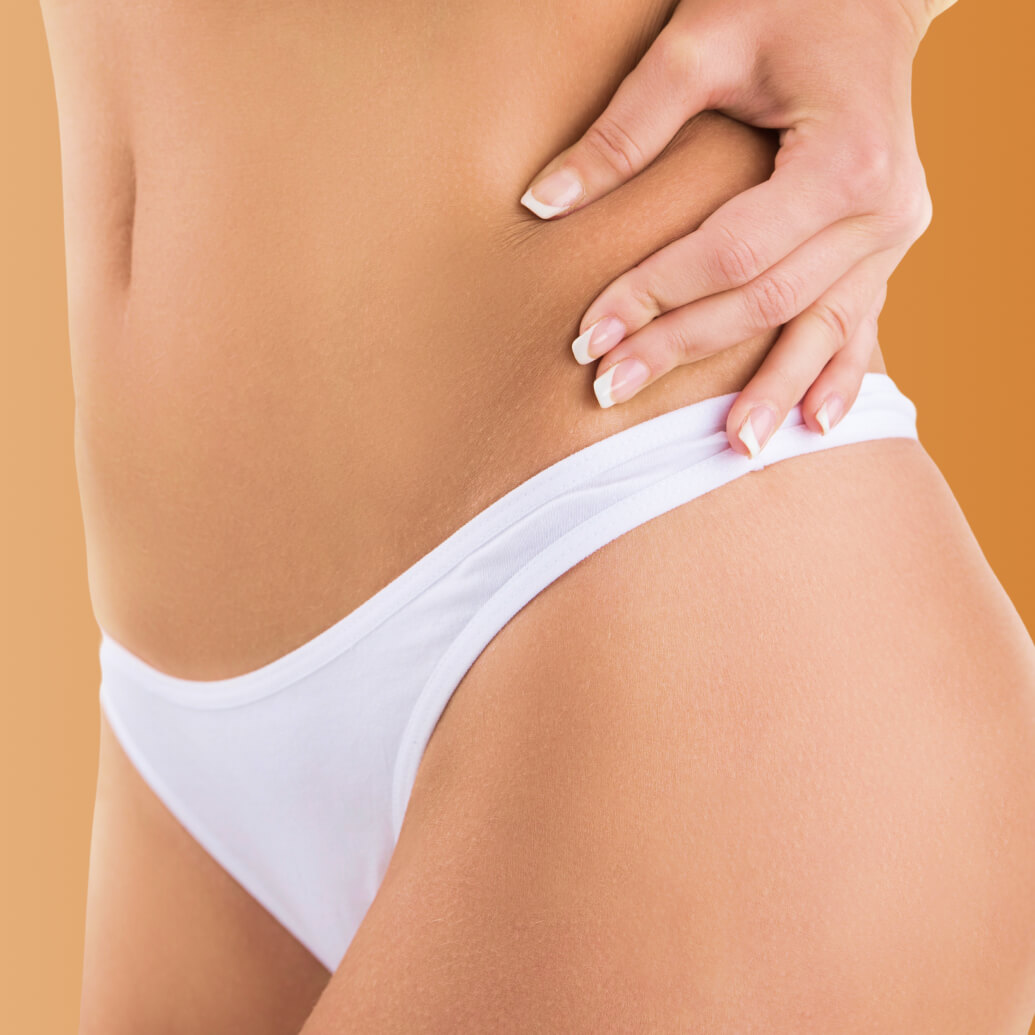
Many individuals seek subtle gluteal contour enhancement rather than substantial volume augmentation. Through carefully planned buttock fat transfer, selected patients may address hip dips, upper-buttock fullness, or asymmetry. The appropriate degree of enhancement depends on anatomy, available donor fat, surgical technique, and safety considerations.
NovoBum gluteal enhancement is a NovoSculpt treatment approach that may use fat transfer for selected patients. Gluteal fat transfer carries serious risks, including pulmonary fat embolism, which can be fatal. Current multi-society safety guidance supports subcutaneous-only fat placement and real-time ultrasound guidance during gluteal fat grafting; whether any individual is a candidate and the safety measures used must be discussed directly with the treating clinician. See the joint gluteal fat-grafting safety statement.
Natural Breast Augmentation and Upper Body Balance
For women seeking modest volume restoration or correction of selected asymmetries after pregnancy or weight changes, autologous fat transfer may be an implant-free option. A specialized breast NovoGain treatment in Greenwich may address upper-pole fullness or cleavage transitions, but the retained volume is variable and no cup-size change can be guaranteed. Potential complications include fat necrosis, oil cysts, calcifications, and changes that may need to be considered during breast imaging. Patients should discuss their breast history, screening plan, and alternatives with an appropriately qualified clinician. A systematic review of breast fat grafting also describes variable retention and reported radiologic changes.
Masculine Chest and Torso Sculpting
Men often struggle with stubborn fat around the lower abdomen and flanks while desiring a firmer, more athletic chest definition. Through dedicated NovoGain treatment men protocols, we sculpt away diet-resistant waistline tissue and graft purified fat directly into the pectoral region. This structural refinement accentuates the natural muscular borders of the chest, creating a lean, masculine aesthetic without artificial implants.
Patient Eligibility and Ideal Candidate Criteria
NovoGain is an effective tool for anatomical enhancement, but achieving safe, beautiful results requires proper candidate selection. During your initial consultation, we evaluate several clinical and aesthetic markers to determine whether you are a prime candidate:
- Adequate Donor Fat: There must be enough donor fat to support the planned treatment, although availability does not guarantee a specific retained volume.
- Weight Stability: A stable, maintainable weight may support more predictable contour planning. Future weight loss or gain can change both donor and recipient areas.
- Skin and Tissue Characteristics: Skin elasticity and recipient-tissue quality can affect the visible result after fat removal and transfer.
- Realistic Expectations: Fat transfer is generally used for measured, individualized volume and contour changes. Retention varies, and additional treatment may be considered in some cases.
- Nicotine Use: Nicotine can impair wound healing and may affect candidacy or perioperative instructions.
- Overall Health: Uncontrolled medical conditions, bleeding risks, or other factors may make a procedure inappropriate or require additional evaluation.
Knowing what to expect at a body contouring consultation Greenwich helps you arrive prepared to discuss your medical history, donor site preferences, and specific aesthetic goals with our surgical team.
Recovery Timeline and Long-Term Tissue Viability
Recovery after NovoGain varies by donor site, recipient site, treatment extent, anesthesia plan, and individual healing. Selected procedures may be performed awake with local anesthesia, but this does not eliminate surgical risks or guarantee a faster or more comfortable recovery. A treating clinician should provide individualized guidance on work, activity, garments, medications, and follow-up.
Understanding the biological healing phases helps set clear expectations:
- Early recovery: Soreness, swelling, bruising, and drainage from small access points can occur. Follow the clinician’s instructions about compression on donor areas and avoiding pressure on recipient areas.
- First several weeks: Activity restrictions, garment use, and protection of the treated areas should follow the individualized postoperative plan. Body contouring recovery guidance can help patients prepare questions for their care team.
- Later healing: Swelling and contour changes can continue to evolve for months. Some transferred fat may persist long term, while some may be reabsorbed; final results and timing differ from patient to patient.
Frequently Asked Questions About Body Sculpting
How long do the transferred fat cells survive?
Some transferred fat may survive long term after healing, while some is reabsorbed. The amount retained varies with patient factors, treatment area, technique, healing, and weight changes, so no specific degree or duration of retention can be guaranteed.
Is the procedure performed under general anesthesia?
Selected NovoSculpt procedures may be performed awake using targeted local tumescent anesthesia. Others may require a different anesthesia plan based on the procedure and patient factors. Local anesthesia vs. general anesthesia for body contouring explains key considerations, but neither approach removes all procedural or anesthesia-related risks.
What is the expected recovery and downtime?
Downtime and discomfort vary by the donor site, recipient site, procedure extent, and individual healing. Patients may need compression on donor areas, restrictions on strenuous activity, and instructions to avoid direct pressure on recipient areas for a period determined by their clinician. Follow-up guidance should take priority over any general timeline.
Conclusion
For people considering contour refinement and volume restoration without implants, autologous fat transfer may be one option among several. NovoSculpt’s physician-led team evaluates whether fat transfer, another treatment, or traditional surgery is more appropriate based on the individual’s anatomy, goals, medical history, and safety considerations.
NovoSculpt has one physical location in Cos Cob/Greenwich, Connecticut, serving patients from Greenwich, Fairfield County, Connecticut, and nearby Westchester County, New York. Schedule an individualized consultation with the care team to explore NovoGain treatment for women and discuss candidacy, alternatives, risks, expected recovery, and whether an awake, minimally invasive approach is appropriate.
